In a decision dated 17 April 2026, the Supreme Court of India in Special Leave Petition (Civil) No. 19026 of 2023), Nagreeka Indcon Products Pvt. Ltd. v. Cargocare Logistics (India) Pvt. Ltd., 2026 INSC 384, rendered a judgment on whether the words “can be settled by arbitration” in a bill of lading created a binding arbitration agreement.
The Court dismissed the appeal and held that the clause did not require the parties to refer their dispute to arbitration. It found that the wording pointed only to a future possibility of arbitration, not to a mandatory and enforceable arbitration agreement.
Why the Supreme Court Heard the Appeal
The Indian Supreme Court identifies the issue as a “short but significant question”: whether the word “can” in an arbitration clause makes arbitration compulsory or leaves other dispute resolution options, including proceedings before a civil court, available to the parties.
On that basis, the appeal reached the Supreme Court because the dispute raised a focused question of contractual interpretation under Indian arbitration law: whether permissive language in a dispute resolution clause is enough to establish consent to arbitrate.
Facts of the Dispute
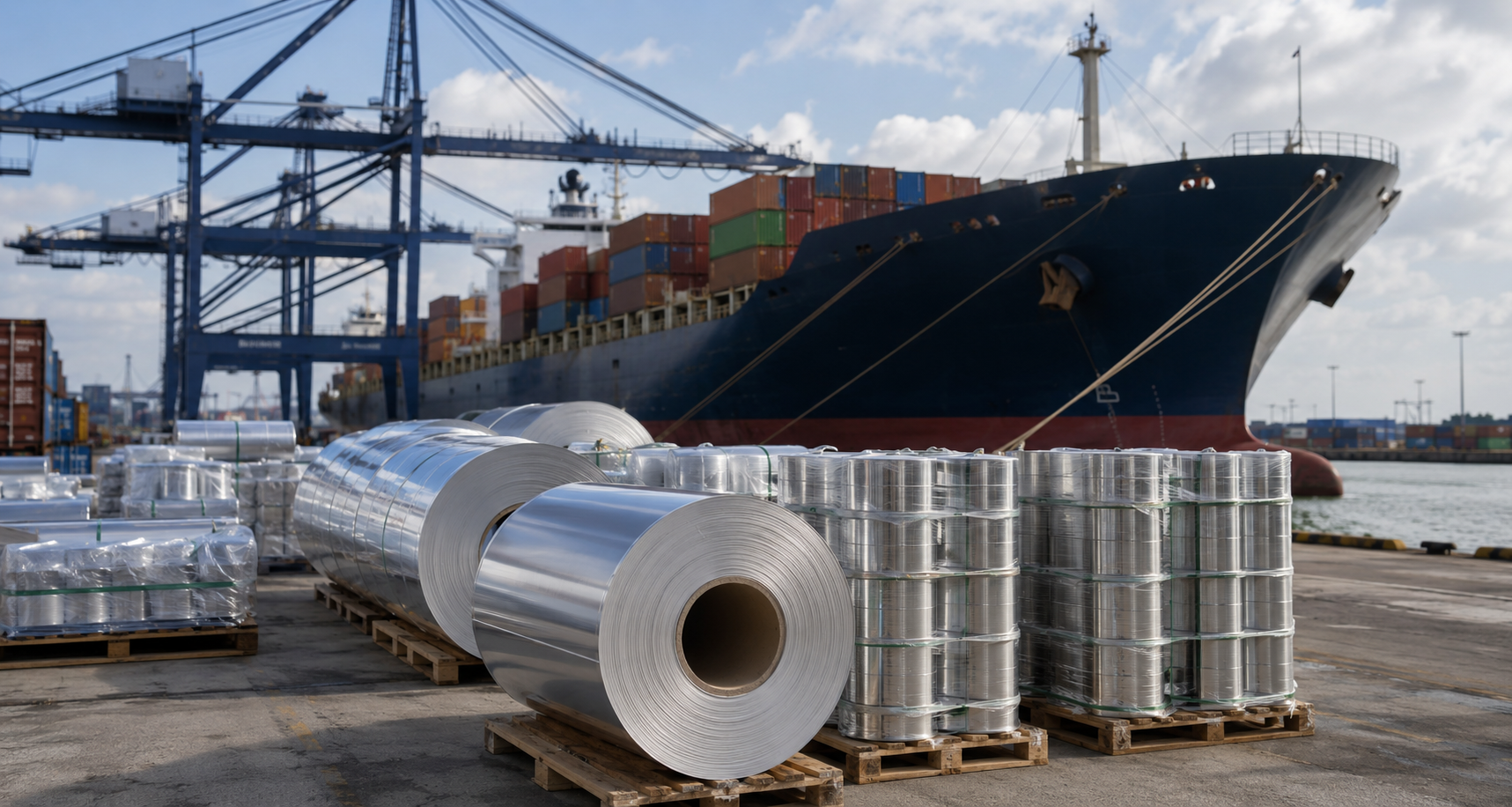
The appellant, Nagreeka Indcon Products Pvt. Ltd., manufactured aluminium foil containers and kitchen rolls. It had received a contract from M/s. American Alupack Industries for corrugated boxes of aluminium foil. The goods were to be transported to South Carolina, USA.
For the shipment, Nagreeka contracted with Cargocare Logistics (India) Pvt. Ltd. The total consideration was Rs. 2,23,550 and included freight charges, ocean freight, ACD charges, container maintenance charges, and related costs.
The consignment consisted of six containers. Four were delivered without dispute. The dispute arose over the fifth container. According to Nagreeka, Cargocare delivered the fifth consignment to American Alupack Industries even though the consignee had not paid the required amount and had not produced the original bill of lading at the time of delivery. The goods were handed over on 21 October 2020.
Nagreeka claimed that it suffered a financial loss because it did not receive payment for the supplied goods, stated in the judgment as USD 28,064.86. On 10 December 2020, Nagreeka raised the issue with Cargocare. Cargocare denied liability and asserted that, based on past practice, goods had previously been handed over without production of the original bill of lading.
The Disputed Clause
The bills of lading contained Clause 25, headed “Arbitration”. Since the wording was central to the decision, the clause should be quoted in full:
“25. Arbitration:
The contract evaluated hereby or contained herein shall be governed by and construed according to Indian Laws. Any difference of opinion or dispute thereunder can be settled by arbitration in India or a place mutually agreed with each party appointing an arbitrator.”
On 10 March 2022, Nagreeka issued a notice invoking arbitration and proposed that the dispute be referred to arbitration for USD 13,230.86. Cargocare opposed the reference, arguing that the clause was not mandatory and merely left arbitration open as an option.
Decision of the Bombay High Court
Nagreeka filed Arbitration Application No. 168 of 2022 before the High Court of Judicature at Bombay, seeking appointment of a sole arbitrator.
By judgment dated 23 February 2023, the High Court dismissed the application. It held that the use of the word “can” did not make arbitration compulsory. Since Cargocare had refused to proceed to arbitration, the High Court found that there was no mandatory arbitration agreement between the parties.
Arguments Before the Supreme Court
Nagreeka argued that Section 7 of the Arbitration and Conciliation Act, 1996 does not prescribe any specific form for an arbitration agreement. It submitted that the parties’ intention to arbitrate was shown by the existence of a clause headed “Arbitration” in the bill of lading.
Nagreeka also relied on decisions supporting a pragmatic interpretation of arbitration clauses and argued that drafting imperfections should not defeat the parties’ intention.
Cargocare argued that Clause 25 did not contain a definite agreement to arbitrate. It submitted that the words “can be settled by arbitration” indicated only a possible future course, not a binding obligation. Cargocare also argued that the clause did not provide a complete mechanism for constitution of the arbitral tribunal.
Legal Reasoning
The Supreme Court started from the principle of party autonomy. Arbitration depends on consent. A tribunal’s jurisdiction comes from the parties’ mutual intention to refer disputes to arbitration.
The Court then considered the word “can”. It noted that the ordinary meaning of “can” refers to capacity, capability, or possibility. By contrast, wording such as “shall” generally indicates a mandate or obligation.
The Court held that the words chosen by the parties are the most reliable expression of their contractual intention. It was therefore not enough that the clause was headed “Arbitration” or that it mentioned arbitration as a possible method of dispute resolution.
The Court distinguished earlier cases relied on by Nagreeka. In those cases, the intention to arbitrate had been clear despite drafting issues. In the present case, the Court found that the intention was not clear because the clause used permissive language and did not create a definite obligation to arbitrate.
The Court relied on the principle that a valid arbitration agreement must show a determination and obligation to refer disputes to arbitration. A clause that merely states that parties may, can, or could refer disputes to arbitration generally requires further consent before arbitration can begin.
Applying that reasoning, the Supreme Court held that Clause 25 only indicated the possibility of arbitration in the future. Since Cargocare did not agree to arbitration after the dispute arose, no binding arbitration agreement existed.
The appeal was dismissed.